
7 Best Herbs for Natural Hair Care

Since time immemorial, people have looked to herbs to support healthy, beautiful hair. In the modern world, however, mainstream haircare products are typically made from chemicals: including sulfates, parabens, synthetic fragrances, formaldehyde, phthalates like DEHP, and other toxic ingredients. When we use these products, we increase our exposure to potentially harmful chemicals every time we wash and/or style our hair. It behooves us to take a look at natural herbal haircare practices. As well as being chemical-free, the best haircare herbs are time-tested; they have been used by humans for thousands of years. Herbal blends, infusions, extracts, and other botanical formulations bring the power of nature to nourish and stimulate the scalp, strengthen and moisturize follicles, soften hair, restore shine and bounce, help with manageability, and more.
For many of us, the prevalence of chemicals in our hair and skin care products has become personal. Diagnosed multiple chemical sensitivities (MCS) have increased by over 300% since 2008. Symptoms can include skin rashes, burning or watery eyes, increased or irregular heartbeat, migraine headaches, dizziness, asthma symptoms, breathing issues, swollen lymph nodes, muscle or joint pain, and more. Worse, some of the chemicals regularly used in over-the-counter haircare products are known endocrine disruptors and are linked to cancers, diabetes, cardiovascular disease, metabolic issues, and problems in pregnancy. Regular use of these products exposes us bit by bit to chemicals that accumulate.
Homemade Lotion with Organic Sweetgrass Hydrosol

Perhaps every herbalist or skincare formulator has a recipe that once wholly intimidated them. Homemade lotion was one of those for me. I had a pretty epic and expensive DIY lotion fail once, and it took me a long time to build up enough confidence to try blending water and oil into something usable again. Mountain Rose’s organic sweetgrass hydrosol was the impetus to suck up my courage and try again. Its subtle, honeyed aroma has a wonderfully green-earth undertone that makes it a perfect base for a variety of skincare formulations, from facial toners to body sprays to lotions. In this simple lotion recipe, I love it with just a touch of vanilla in the form of organic benzoin resin.
Humans have been cultivating sweetgrass (Hierochloe odorata) for over 6,000 years, and it has a long history of spiritual use: strewn on the floors of Medieval churches in Europe and considered one of the four sacred herbs by First Nations peoples in North America. Sometimes called the “hair of Mother Earth,” sweetgrass is said to please the spirits and is an excellent choice to prepare spaces for prayer, ritual, and meditation. In its hydrosol form, I find it has that same “clearing” element to its scent; it resets my mind and opens my heart.
DIY Sweetgrass Vanilla Body Lotion

Humans have been cultivating sweetgrass (Hierochloe odorata) for over 6,000 years. Sometimes called the “hair of Mother Earth,” it is said to please the spirits and is an excellent choice to prepare spaces for prayer, ritual, and meditation. In its hydrosol form, sweetgrass brings this same sense of “clearing” in its subtle, honeyed aroma and offers a green-earth undertone that makes it a perfect ingredient in a wide variety of skincare formulations including facial toners, body sprays, and lotions. We wanted to give people an easy way to experience sweetgrass hydrosol for themselves, so we whipped up a new homemade lotion recipe we think you’re going to love!
Guasha Massage Tutorial

“Guasha” (刮痧) translates as “scraping petechiae.” Gua (刮) is scraping, the act of pulling a guasha tool across the skin. Sha (痧) is petechiae: pinkness or redness on the skin that can arise from scraping, a result of increased blood circulation to the area. Guasha is one of the many tools in our East Asian medicine toolkit, which also includes acupuncture, herbs, massage, moxibustion, energy work, lifestyle medicine, and more.
Benefits of Guasha
By drawing a guasha tool, or guasha ban (刮痧板), across the skin with varying degrees of pressure, we can elicit different effects on the body. Guasha can be used for facilitating tissue repair in musculoskeletal injuries, breaking up scar tissue, lymphatic drainage, and more. Traditionally, guasha has also been used in the early stages of a cold for “releasing the exterior.” In this article, I will focus on gentle facial guasha.
I often recommend facial guasha as an evening ritual, particularly in clients experiencing chronic jaw tension that can lead to bruxism, or grinding teeth during sleep. Chronic jaw tension can also lead to headaches, especially temporal (side of head), or occipital (nape of neck) headaches. I also love recommending this facial guasha evening ritual for folks with dry skin and too many thoughts, as a way to simultaneously nourish the skin, cultivate an easy self-care ritual, and relax before bed.
Guasha Massage Tutorial with Jiling Lin

Have you ever had the opportunity to experience guasha? This traditional East Asian practice is sometimes used as a complement to massage, acupuncture, herbalism, moxibustion, energy work, lifestyle medicine, and more. Practitioners draw a guasha ban (刮痧板) (guasha tool) over the skin with varying degrees of pressure to elicit different effects on the body.
Although guasha is used to treat complex bodily issues, one wonderful way to experience this age-old art is a gentle facial guasha. We’re excited that our friend, herbalist, and East Asian Medicine practitioner, Jiling Lin, has a new blog with all the information we need to do facial guasha at home!
Herbalist Tips to Beat the Summer Heat

Many of us are ready for fall, but the truth remains that we are still in summer and it is hawt! With the heat and sun come sunburn, heat rash, heat exhaustion, and even heat stroke. There are things we can do to prevent these from happening and natural remedies for when they do.
Why Do We Get Sunburn?
Sunburn is an acute inflammatory response by the skin in reaction to excessive exposure to sunlight. The harmful changes that occur in the skin cells’ cytoplasm (a gel-like substance that is between the cell membrane and nucleus) and the nucleus itself are cumulative over a lifespan and can lead to an increased incidence of skin cancer. Sunburn is common in this era of popular outside summer activities and clothing styles that leave more skin exposed to the sun’s damaging UVA and UVB rays. We’ve all had that burning sensation after being in the sun too long. While limiting sun exposure is the most reliable method of preventing sunburn, we do want to be able to bask in the sun, don’t we?
Easy Homemade Shaving Cream
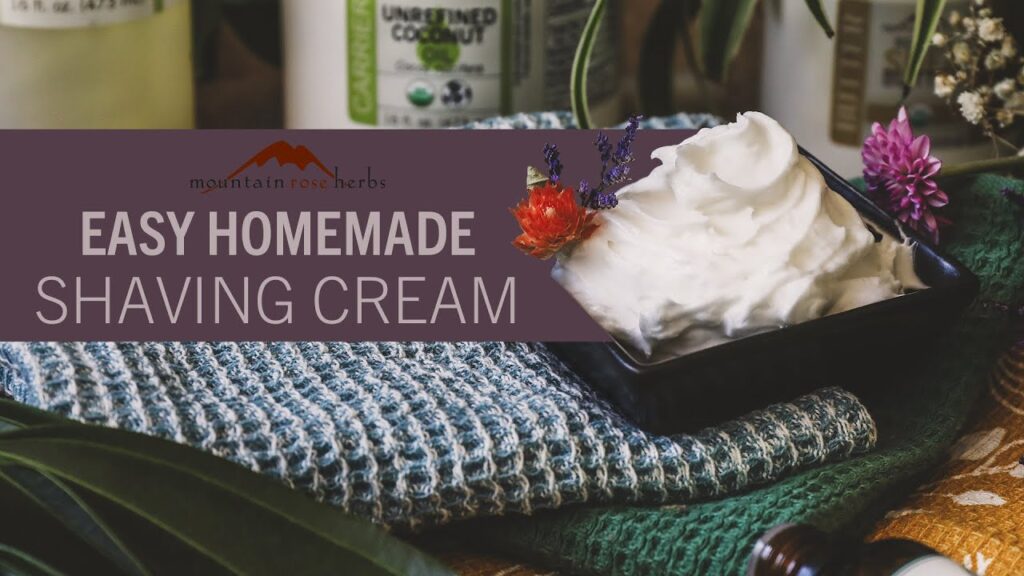
A good shaving cream can make all the difference when you want a close, smooth shave. Whether you’re doing some full-body grooming or just cleaning up your beard, the rich texture of this cream feels wonderful as it creates the perfect barrier to safely and softly shave away unwanted hair.
We chose kukui nut oil for its wealth of linoleic and alpha-linolenic fatty acids to nourish your skin and we’ve added rosemary and bergamot mint essential oils for a fresh and clean scent. This shaving cream is also completely customizable—substitute oils and butters of your choice or create a different essential oil blend to make it your own!
Homemade Shaving Cream

A good shaving cream can make all the difference in both the quality and comfort of a shave. It’s no wonder then that this homemade shaving cream recipe has been such a longtime favorite of the Mountain Rose Herbs community. Whether you’re working on your beard, your head, or a full-body cleanup, the rich texture of this cream feels wonderful on the skin as it nourishes, hydrates, and makes a perfect surface to safely and comfortably shave away unwanted hair.
We’ve chosen kukui nut oil for its wealth of linoleic and alpha-linolenic fatty acids and added rosemary and bergamot mint essential oils to give our shaving cream a wonderfully clean scent. But one of the beauties of this recipe is that it is supremely customizable. Feel free to substitute oils and butters (sunflower oil would be a good swap for the kukui nut oil) and create your own essential oil blend to suit your mood.
Homemade Deodorant: How to Make Natural, Herbal, Roll-On Deodorant

Summer being what it is—with all the extra sunshine and outdoor fun—our deodorant choices start to matter in a bigger way. Consumers have become increasingly aware of the potential issues that can come with using deodorants with ingredients like propylene glycol, aluminum, and triclosan, and have been turning more and more to natural deodorants. Unfortunately, while over-the-counter natural deodorants are a safer and more earth-friendly option than those loaded with parabens and chemicals, they are still packaged in mostly non-recyclable plastics that millions of Americans throw away every year. Happily, it’s an easy task to make your own natural, herbal, roll-on deodorant.
Just so we’re on the same page, it’s important to know that deodorants aren’t meant to reduce or eliminate sweat. No matter what those old antiperspirant ads used to tell you, sweating is essential for the human body. Its primary task, of course, is to help control body temperature, but sweating also helps moisturize the skin and increase skin hydration. The kind of sweat we produce when exercising or relaxing in a sauna is also evidence that we’re supporting heart health and mental wellbeing. Our bodies need to sweat, so it behooves us to find natural, safe ways to neutralize any resulting underarm odors from this necessary bodily process. That’s where our herbal allies come in!
This simple recipe for a liquid roll-on deodorant is a longtime, tried-and-true Mountain Rose Herbs favorite. It’s effective, wonderfully low-mess, and easily portable so we can take it with us and reapply as needed. Also, it is easy to customize to meet your unique needs and aroma preferences. Need more absorbency? Add a bit of baking soda or organic arrowroot powder. Want to customize the scent? Create your own blend of essential oils!
Arnica Hand Balm Recipe for Hard-Working Hands
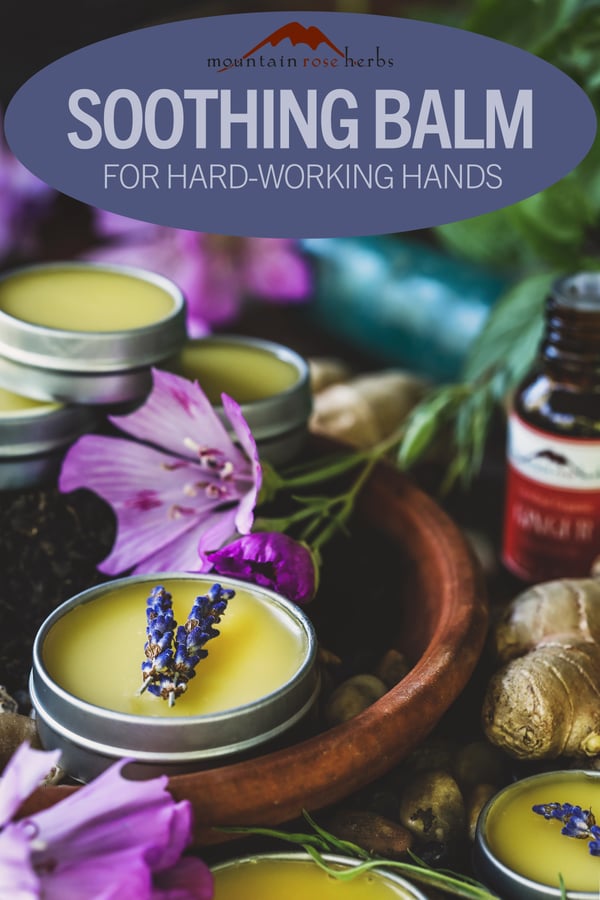
This time of year, I’m reminded of my love for herbal salves, and in particular, this Gardener’s Salve. The blend has been in the Mountain Rose recipe book for many years and is one that I turn to each spring and summer. Between planting, weeding, and pruning, my hard-working hands reach for this DIY hand balm time and time again. Being with the plants does wonders for my emotional wellbeing so taking the proper steps to ensure I can do it in optimal comfort and for many years to come is very important to me.
