
Guide to Oil Cleansing + The Best Oils for Your Skin Type
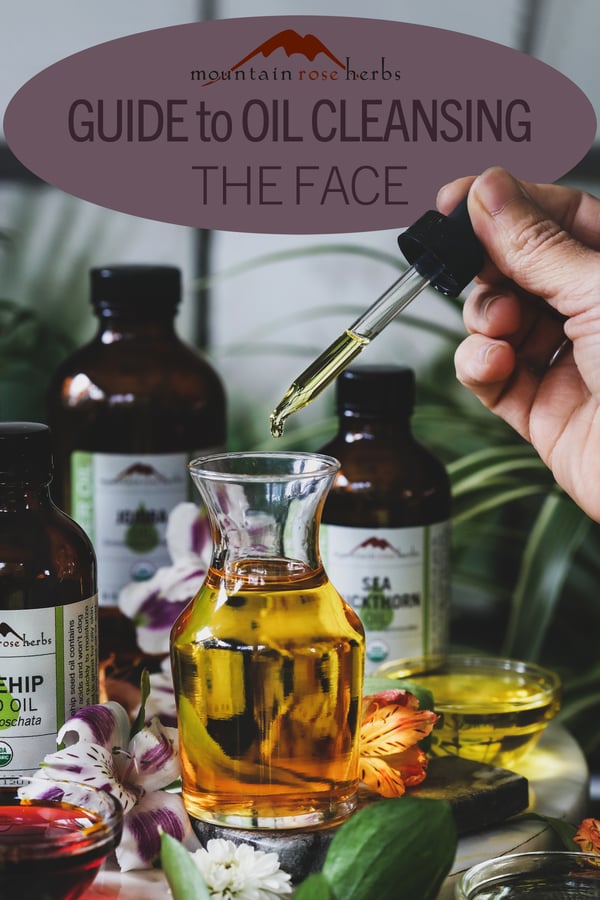
I know that washing your face with oil may sound a little odd at first, but trust me—this ancient secret is a great way to cleanse and nourish your skin! The reason oil cleansing works is basic chemistry: like-dissolves-like. Using nourishing organic oils to clean your face helps break up the grime that gets caught in your skin’s natural sebum while not harming the microbiome of the skin. Ready to get started? Let’s go!
What is a Hydrosol? + 10 of Our Favorites

Herbalists love hydrosols for their ease of use and versatility in aromatherapy, body care formulations, therapeutic applications, cosmetics, and more. They add variety and scope to our herbal practices and we appreciate the added safety they give us when working with children, elders, and pets. But what exactly are hydrosols, is one as good as another, and how do you use them? We’re excited to tell you more about these distilled botanical extracts, plus we’ve got good tips on best uses and some suggestions about which ones you might like best.
10 Ways to Use Hydrosols + Our Favorites

Hydrosols are high quality, distilled botanical extracts, not to be confused with the “floral waters” you might have seen for sale that are often just water combined with essential oils. Hydrosols are beloved by the herbal community for their ease of use and versatility in aromatherapy, herbal body care formulations, therapeutic applications, cosmetics, and household recipes. They add variety and scope to our herbal practices, and we appreciate the added safety they give us when working with children, elders, and pets. Although they are made using the same distillation process as essential oils, they are more sustainable because distillers get significantly more hydrosol per distillation. But not all hydrosols are created equally. We’re excited to tell you more about these lovely plant waters.
Spring Rain Essential Oil Blend + Wax Melt Recipe

I love to live fully within the seasons. I take in all the nuances of the seasonal elements, ebbing and flowing with the twists and turns of the weather and the expansion and contraction of daylight. This mindfulness practice allows me to connect with the “now” and fully appreciate all that the Earth shares with us through her wondrous cycles.
Now, as the spring rains fall and the first blooms of the season begin to unfurl, I feel called to create a new aromatherapy blend that melds with my natural environment. I have found over the years that many seasonal aromatherapy creations are created to match the exact scents of the season, rather than to complement nature’s aromatic offerings. In other words, they try to “outdo” the subtle aromas of nature by making them stronger.
I crafted this “Spring Rain” recipe to highlight the elements of spring while leaving enough room for nature to shine through. The bergamot I used in this blend is light and breezy and allows the fresh blooming flowers to dance with the olfactory senses. Similar to cheery lemon balm, litsea cubeba is added as a symbol of the sun which generously shines longer and with promise. Meanwhile, sweet marjoram offers an herbaceous tenacity, which helps balance the ethereal scents of the previous two oils. And finally, vetiver grounds out the blend, offering its sweet and earthy notes, symbolizing the damp earth.
DIY Shower Steamer Recipes (Calming & Uplifting Variations)

Treat yourself or someone you love to a spa-scented shower experience with easy-to-create “Shower Steamer” tablets. Shower steamers use all-natural salts (typically baking soda) and essential oils. These little aromatherapy pucks can turn your shower into a spa-like experience. It is a simple product made up of just a few household ingredients and your favorite essential oils. The tablets dissolve slowly as you shower to create a lasting aromatherapy experience and the warm steam helps diffuse the scent. You can select scents that will energize, relax, or help with seasonal congestion.
How to Make Herbal Syrups for Cocktails, Mocktails, Pancakes, & More!
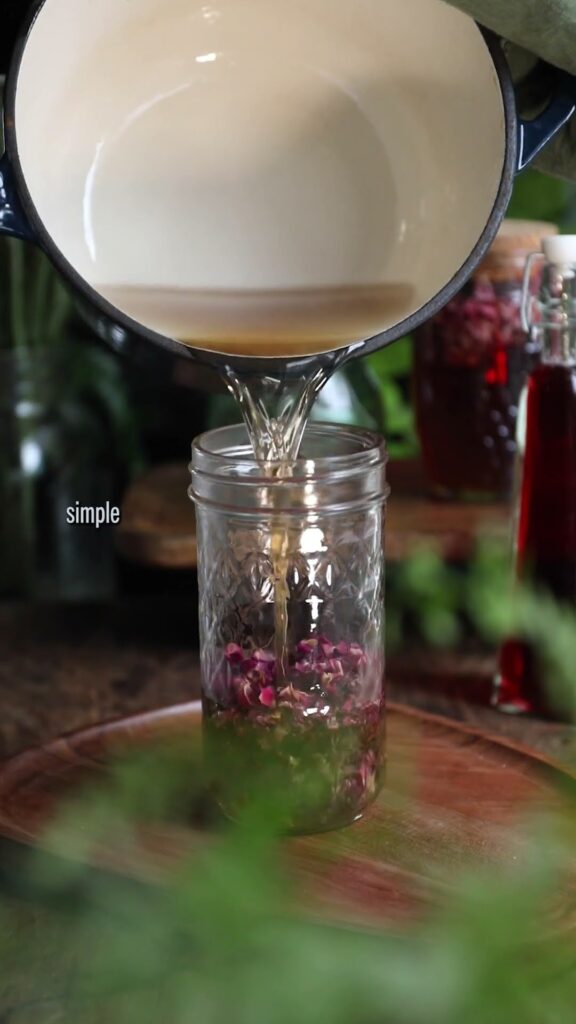
Homemade simple syrups infused with dried herbs are a handy ingredient to have at the ready and as the name implies, they are incredibly easy to make! If you can boil water, you can make simple syrup. Herb-infused syrups can be added to carbonated water, brushed on cakes, drizzled on yogurt or pancakes, and, of course, added to mocktails! They are also a great way to take herbs without the use of alcohol and are especially great for getting kids to willfully add healthy ingredients to their diet.
Herb-Infused Simple Syrup Recipe Using Dried Herbs

Simple syrups are a fun and surprisingly useful ingredient to keep on hand in your refrigerator, especially when they are infused with your favorite herbs. A lot of people think of mocktails or cocktails when they think of simple syrups, and that’s definitely a good use for them. But they are equally wonderful added to carbonated water, as sweetener in tea, brushed on cakes or cupcakes, drizzled on yogurt or pancakes, and more. They are called “simple” syrup for a reason—if you can boil water, you can make simple syrup. And infusing simple syrups with herbs takes them from being a good ingredient to an amazing one!
How to Make Herb-Flavored Alcohol + 3 DIY Herbal Spirit Blends

In the cycle of the year, I find the weeks between Imbolc (February) and Beltane (end of April) to be a precious, restful time in which I finally have space to be creative. We’re past the months of food preserving and winter holidays and not yet at the point when I will jump back into the annual joy/work of my yard, garden, and orchard. This is the only time of the year when I don’t have a dozen other priorities vying for my attention. It is an ideal moment to take a look at my apothecary and think about the herbs that I should use up before they start to get old. As well as making tinctures, glycerine extracts, and infused honey, I find this to be a perfect opportunity to make herb-infused spirits to add to my liquor cabinet for handcrafted cocktails throughout the year. I recently combed back through Mountain Rose Herbs blogs for inspiration, and—as usual—came up with infusion gold. I’m excited to share three reader-tested, herb-infused distilled spirits recipes with you!
Herb-Infused Spirits & Herbal Cocktail Ideas

Herb-Infused distilled spirits show up in the finest, most delicious cocktails, but can be prohibitively expensive when you want to purchase a bottle for your home liquor cabinet. Fortunately, infused spirits are also some of the easiest herbal formulations to make! All you need is alcohol, herbs of choice, and jars and bottles for infusing and storing. In a matter of days, you can stock your bar with a wide variety of different flavors to take your cocktail creations to the next level throughout the year. Also, herb-infused spirits are a great way to use up herbs in your home apothecary before they get old. We’ve got three time-tested recipes to get you started—roasted cacao and vanilla bean brandy, smoked peppercorn vodka, and lavender gin. Yum, perfection in a bottle!
Sultry Essential Oil Perfume Recipe With Tonka Beans

Alcohol-based perfumes never sounded attractive to me. I always thought using them would make me smell like I just came from the bar, which is generally not the vibe I am going for. This aversion persisted until I discovered tonka beans (Dipteryx odorata) and learned that alcohol extraction is the best way to bring out their dreamy aroma! Tonka beans are an excellent alternative to vanilla beans in aromatherapy creations and are roughly five times less expensive than vanilla, so you can save your true vanilla for cooking and use tonka beans to get those highly coveted notes for perfumery.
While the most recognizable aromatic comparison is vanilla, tonka beans have other warm and comforting undertones of tobacco, pistachio, and musk. It makes a truly delightful ingredient to work with.
