
How to Make Herbal Syrups for Cocktails, Mocktails, Pancakes, & More!
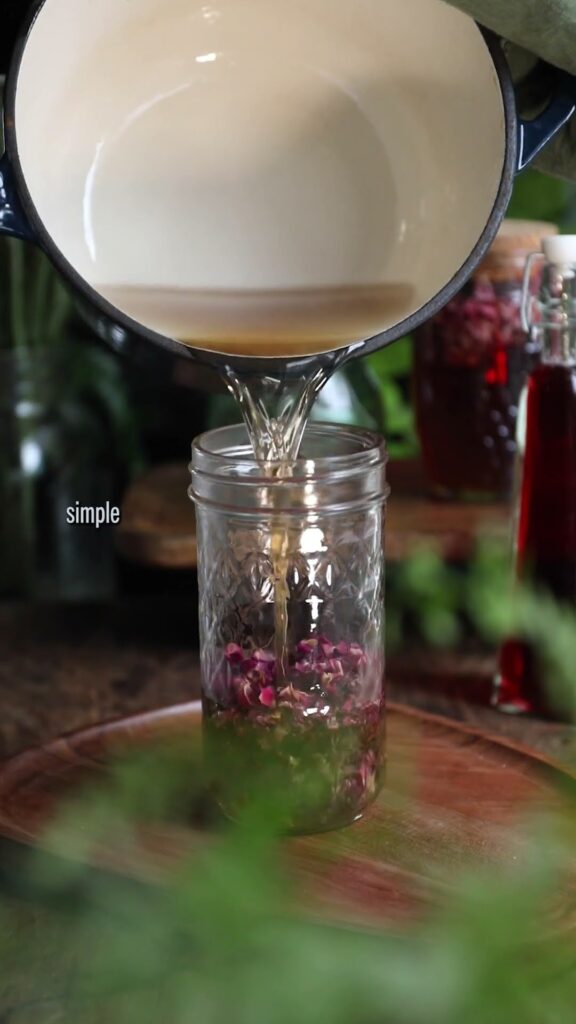
Homemade simple syrups infused with dried herbs are a handy ingredient to have at the ready and as the name implies, they are incredibly easy to make! If you can boil water, you can make simple syrup. Herb-infused syrups can be added to carbonated water, brushed on cakes, drizzled on yogurt or pancakes, and, of course, added to mocktails! They are also a great way to take herbs without the use of alcohol and are especially great for getting kids to willfully add healthy ingredients to their diet.
Herb-Infused Simple Syrup Recipe Using Dried Herbs

Simple syrups are a fun and surprisingly useful ingredient to keep on hand in your refrigerator, especially when they are infused with your favorite herbs. A lot of people think of mocktails or cocktails when they think of simple syrups, and that’s definitely a good use for them. But they are equally wonderful added to carbonated water, as sweetener in tea, brushed on cakes or cupcakes, drizzled on yogurt or pancakes, and more. They are called “simple” syrup for a reason—if you can boil water, you can make simple syrup. And infusing simple syrups with herbs takes them from being a good ingredient to an amazing one!
How to Make Herb-Flavored Alcohol + 3 DIY Herbal Spirit Blends

In the cycle of the year, I find the weeks between Imbolc (February) and Beltane (end of April) to be a precious, restful time in which I finally have space to be creative. We’re past the months of food preserving and winter holidays and not yet at the point when I will jump back into the annual joy/work of my yard, garden, and orchard. This is the only time of the year when I don’t have a dozen other priorities vying for my attention. It is an ideal moment to take a look at my apothecary and think about the herbs that I should use up before they start to get old. As well as making tinctures, glycerine extracts, and infused honey, I find this to be a perfect opportunity to make herb-infused spirits to add to my liquor cabinet for handcrafted cocktails throughout the year. I recently combed back through Mountain Rose Herbs blogs for inspiration, and—as usual—came up with infusion gold. I’m excited to share three reader-tested, herb-infused distilled spirits recipes with you!
Herb-Infused Spirits & Herbal Cocktail Ideas

Herb-Infused distilled spirits show up in the finest, most delicious cocktails, but can be prohibitively expensive when you want to purchase a bottle for your home liquor cabinet. Fortunately, infused spirits are also some of the easiest herbal formulations to make! All you need is alcohol, herbs of choice, and jars and bottles for infusing and storing. In a matter of days, you can stock your bar with a wide variety of different flavors to take your cocktail creations to the next level throughout the year. Also, herb-infused spirits are a great way to use up herbs in your home apothecary before they get old. We’ve got three time-tested recipes to get you started—roasted cacao and vanilla bean brandy, smoked peppercorn vodka, and lavender gin. Yum, perfection in a bottle!
Sultry Essential Oil Perfume Recipe With Tonka Beans

Alcohol-based perfumes never sounded attractive to me. I always thought using them would make me smell like I just came from the bar, which is generally not the vibe I am going for. This aversion persisted until I discovered tonka beans (Dipteryx odorata) and learned that alcohol extraction is the best way to bring out their dreamy aroma! Tonka beans are an excellent alternative to vanilla beans in aromatherapy creations and are roughly five times less expensive than vanilla, so you can save your true vanilla for cooking and use tonka beans to get those highly coveted notes for perfumery.
While the most recognizable aromatic comparison is vanilla, tonka beans have other warm and comforting undertones of tobacco, pistachio, and musk. It makes a truly delightful ingredient to work with.
Sultry Perfume Recipe with Tonka Beans and Essential Oils

If you’ve had the opportunity to work with tonka beans (also called tonkin or tonquin beans), you know they have a heavenly aroma: a blend of vanilla-like essence with undertones of tobacco, pistachio, and musk. They are perfect for perfumery. The dilemma is how to get that delicious scent into a perfume. It turns out, a simple alcohol extraction is the key! Then add pure organic vetiver essential oil and a touch of sandalwood to this aromatic base, and you have a luscious, warm, sultry homemade perfume. Our three-ingredient tonka bean perfume blend is the perfect place to start exploring the wonders of this wondrous South American legume.
Homemade Liquid Laundry Soap with Soap Nuts

I have to admit, it was really difficult for me to believe that soap nuts could actually work. My skepticism caused me to walk by them at my local natural grocery store for years. I liked the idea of an all-natural laundry solution, but I figured soap nuts would not be effective enough to take on the heavily soiled laundry from homesteading and an overall active lifestyle.
That attitude persisted until about six years ago, when I first started working for Mountain Rose Herbs. Colleagues and customers alike raved about these mystical soap nuts (which aren’t actually nuts at all), so I decided to finally give them a try. I’m really glad that I did, and my wallet and septic system continue to thank me daily.
While many people enjoy the common method of using deseeded soap nuts directly in the wash, I prefer to make them into a liquid detergent. It is an added step and requires a bit more forethought, but I have found that you have more control over the concentration of saponins and the liquid disperses more evenly throughout each laundry load.
Nourishing Herbal Infusion Recipe—A Tea With Purpose

When it comes to nutritive plants like these four treasured herbal allies, opting for the infusion method will impart your water-based brew with the full strength of the plant material. Certainly, you could steep these herbs in a tea bag for 10-15 minutes. However, you’ll receive exponentially more of the nutritive and tonifying benefits with the infusion method, which employs a hefty volume of herbs steeped for hours. This allows more of the minerals, chlorophyll, and other nutrients to be pulled into the solution.
Think of it this way: Infusions pull more of the power-packed punch out of your dried herbs. Brewing your herbs this way gives you a strong, nourishing brew—deep and rich in color, flavor, and constituents. Just the way you like it.
Cookies and Cream Lip Balm Recipe
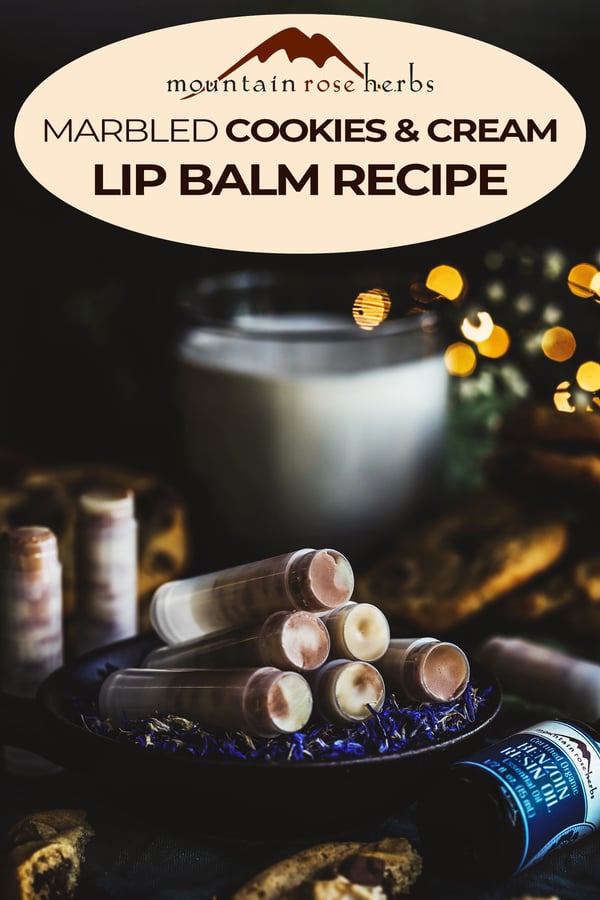
Each year around the holidays, I create a new lip balm recipe to share on both the Mountain Rose Herbs blog and with my friends and family. They make a great stocking stuffer and the people in my life enjoy seeing what I’ve come up with for the season. I love that lip balms can be made in bulk for sharing, and I love this fun and useful expression of my craft.
This hydrating lip balm calls in the emollient qualities of shea butter and pairs with the comforting scents of cocoa butter and benzoin resin for an intoxicating chocolate and vanilla aroma. When I have the time, I like to make this balm in two different colors and then marble them in the lip balm tube. This added dimension makes for a fun display of my skills and makes it feel more like cookies and cream. However, you can keep it simple if you prefer and skip the marbling effect. That is the beauty of DIY crafting—you can truly make it your own.
Homemade Playdough Recipe With Herbal Coloring

Now that it’s getting colder, you may be thinking about how to entertain the little ones in your life, and maybe you need some fun gifts for the upcoming holidays, too. Which of course means it’s time for natural, homemade, no-cook playdough that you can easily color with herbal powders rather than artificial food dyes! This DIY dough is simple and fast to make, it’s food-safe, it’s useable within minutes of making it, and in an airtight container, it can last for a couple of months. Vegetable and berry powders are excellent choices for coloring playdough— kale powder makes grass-green, turmeric makes a deep yellow, beet root makes red, cranberry makes pink, hibiscus makes purple, cacao and black teas makes brown, etc. This recipe is a good one to do with kids, too, because there’s no cooking and the powders make it oh-so-easy!
