
Herbalist Tips to Beat the Summer Heat

Many of us are ready for fall, but the truth remains that we are still in summer and it is hawt! With the heat and sun come sunburn, heat rash, heat exhaustion, and even heat stroke. There are things we can do to prevent these from happening and natural remedies for when they do.
Why Do We Get Sunburn?
Sunburn is an acute inflammatory response by the skin in reaction to excessive exposure to sunlight. The harmful changes that occur in the skin cells’ cytoplasm (a gel-like substance that is between the cell membrane and nucleus) and the nucleus itself are cumulative over a lifespan and can lead to an increased incidence of skin cancer. Sunburn is common in this era of popular outside summer activities and clothing styles that leave more skin exposed to the sun’s damaging UVA and UVB rays. We’ve all had that burning sensation after being in the sun too long. While limiting sun exposure is the most reliable method of preventing sunburn, we do want to be able to bask in the sun, don’t we?
Cornucopia Institute: Raising the Bar on Organic Standards

With so many options on the shelf at the grocery store, not to mention the enormous number of food selections from online sources, it is difficult to know that the food we eat is nutritious, delicious, and free of unwanted pesticides or preservatives. We see a lot of hype around one certification or another, with new standards being presented to us all the time. How do we know that the food we put on the table supports the health of our families, communities, and the planet?
Organic certification is Mountain Rose Herbs’ go-to standard for ensuring that our herbal offerings are grown without synthetic pesticides, fertilizers, GMO seed stock, or irradiation. However, truth be told, there can be a lot of variation in the quality of offerings from brands displaying an organic certification. Because we sell predominately organic certified products, we rely on industry partners like The Cornucopia Institute, as well as rigorous in-house testing for quality and purity, to ensure that the herbs and spices we provide enhance the lives of our customers.
The Nurtured Herbalist | Tea Talks Roundtable

Join herbalists Jiling Lin, Erika Galentin, and Camille Freeman for a lively Tea Talks Roundtable discussion on Nurturing the Herbal Practitioner.
We explore:
• some of the challenges that come with running an herbal practice
• how to create a work cadence that’s realistic in the long run
• establishing clear boundaries between work and personal life
• how to run an herbal practice that feels ethically aligned, and sustains you
• how we can feel supported and connected as herbal practitioners– and continue growing and evolving as people and clinicians
• the role of the herbalist in modern life
• …and more!
Homemade Shaving Cream

A good shaving cream can make all the difference in both the quality and comfort of a shave. It’s no wonder then that this homemade shaving cream recipe has been such a longtime favorite of the Mountain Rose Herbs community. Whether you’re working on your beard, your head, or a full-body cleanup, the rich texture of this cream feels wonderful on the skin as it nourishes, hydrates, and makes a perfect surface to safely and comfortably shave away unwanted hair.
We’ve chosen kukui nut oil for its wealth of linoleic and alpha-linolenic fatty acids and added rosemary and bergamot mint essential oils to give our shaving cream a wonderfully clean scent. But one of the beauties of this recipe is that it is supremely customizable. Feel free to substitute oils and butters (sunflower oil would be a good swap for the kukui nut oil) and create your own essential oil blend to suit your mood.
Ceremonial Matcha: From Field to Cup
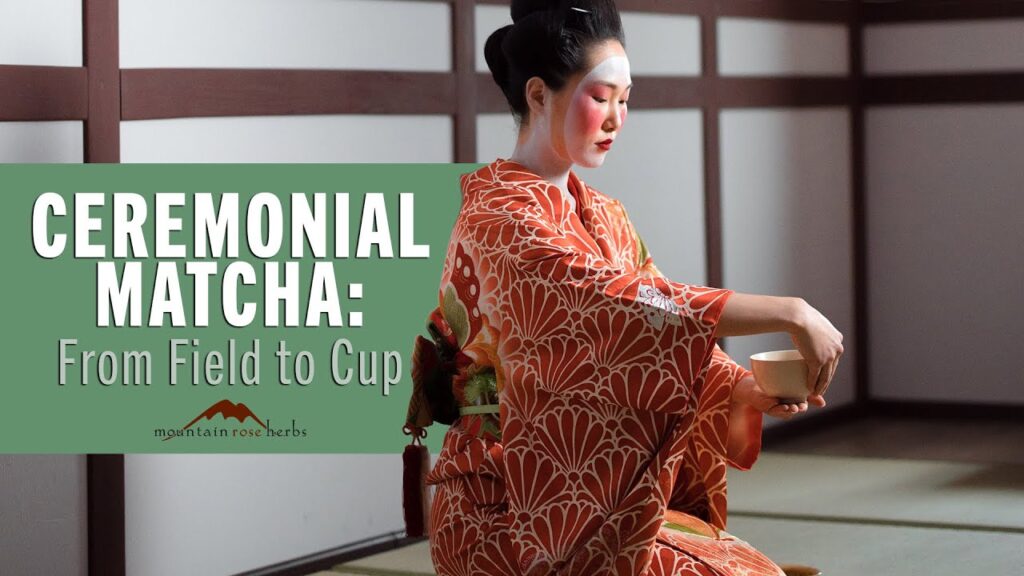
In June of 2023, we embarked on a journey to meet with one of our farm partners in Wazuka, Japan. After a long and exciting travel day, we arrived in the bustling city of Osaka.
Our old friend, Masashi, welcomed us with excitement and an eagerness to share the 350-year-old tea plantation with us. We loaded into his sedan and headed for the misty hills of Wazuka. We first toured the fields where we learned about the growing, shading, inspecting, and harvesting of the fresh and vibrant green leaves. From there we got a behind-the-scenes look at how these organic tea leaves are turned into the vibrant powder we know and love. After fully experiencing the tea planation and all of the heartfelt work that went into making this fine tea powder, we were invited to take part in a traditional matcha tea ceremony.
Having worked with this farmer for over a decade, it was an honor to connect with him in a way that celebrated his culture and to recognize the people that grow and process this special tea for the world to enjoy.
Enjoy a cup of ceremonial matcha: https://mountainroseherbs.com/matcha-tea
Try matcha with a traditional whisk and spoon: https://mountainroseherbs.com/matcha-set
Plant Stories | Featuring Lucretia VanDyke

We are so pleased to feature another interview with our friend Lucretia VanDyke. On Herbal Radio, we have learned about Lucretia’s upbringing and what led her to work with plants, but we have never gotten to learn what plants she loves and why. In this Plant Stories episode, Lucretia talks about her favorite edible plants of New Orleans and the significance they played in her upbringing that began her herbalism journey.
With a journey that began when she was a little girl mixing herbs, mud, and roots on her grandparents’ farm, Lucretia VanDyke has had a lifelong connection to the plants. She has been in the wellness industry for over twenty-five years. Her quest for knowledge and storytelling has led her all over the world to learn about remedies, traditions, and ceremonies from indigenous healers.
One of the foremost experts on Southern folk healing arts, Lucretia integrates rituals, plant spirit meditation, holistic food/herbal medicine, and ancestor reverence into people’s practices.
Lucretia has worked and trained with many internationally known spa and skin care companies. She is a holistic educator, speaker, herbalist, sacred sexologist, ceremonialist, spiritual coach, intuitive energy practitioner, diviner, author, and world traveler. Lucretia brings her vivacious spirit and her message of ancestral connection in herbal practices to inspire others to embrace their unique relationship with the plants. Teaching herbal classes, cooking, storytelling, and foraging in the woods learning native medicine charges her soul.
Lucretia’s book African American Herbalism: A Practical Guide to Healing Plants and Folk Traditions is now available through Mountain Rose Herbs: https://mountainroseherbs.com/african-american-herbalism
Water Element Perfume Recipe: The Mermaid Blend

If you saw my recent article on my Earth Element Perfume Blend, you know I am working on some fun gift ideas for my upcoming wedding. As a Taurus, I of course started with an Earth element blend which came to me with great ease and intuition. When it came to formulating this water-element perfume though, it took more time and consideration. I found it helpful to imagine the mystical allure of mermaids and the calming essence of water in creating this blend.
I crafted the Mermaid Perfume using a harmonious blend of essential oils that evoke feelings of the meditative movement of water. I called upon clary sage for its soothing and tranquil qualities. Its herbaceous and slightly floral aroma creates a sense of calmness and balance reminiscent of a serene underwater world.
How to Make Slime with Psyllium Husk

Slime—that strange substance that defies Newton’s laws of viscosity—has been a staple in store toy aisles for almost 50 years and the DIY versions have been around almost as long. The typical school-science-project slime recipe involves mixing either borax or contact lens solution with PVA glue and water. The science behind it is a chemical reaction between the polyvinyl acetate in the glue and the borate ions in the contact solution or borax, an action called cross-linking that results in a logic-defying substance that is a whole lot of fun to play with. However, fascinating DIY science aside, too much exposure to boron—which is the base of borax, boric acid, and also, ironically, that contact lens solution—can cause respiratory, skin, and eye irritation, and when ingested can lead to nausea, vomiting, and diarrhea. Note the caution on the front of a box of borax detergent: Caution: Eye irritant, may be harmful if swallowed. Needless to say, that DIY slime hack is not ideal for small children, particularly those who tend to taste-test things. Fortunately for the child in all of us, you can make slime from psyllium husk!
Mountain Rose Herbs Seed Stewardship Project

As many of you know, at Mountain Rose Herbs, we invest time and energy into striking a balance between offering as many sustainably grown and harvested organic herbal allies as possible and simultaneously supporting the conservation of at-risk and endangered plants. We are excited that more and more people are recognizing the abundance Mother Nature has to offer and the many benefits that the botanical world provides. Unfortunately, the increasing impact of overharvesting on wild plants has left many of our most important botanicals at serious risk.
With this in mind, Mountain Rose Herbs has been working with United Plant Savers (UpS) to launch a new Seed Stewardship Project! With the help of UpS Executive Director Susan Leopold, we have chosen a variety of at-risk plant seeds that we are giving away to people who are able to plant them and help rebuild our at-risk plant communities. Now, when you place an order on MountainRoseHerbs.com, you will have the option to select a seed package for FREE. Plant them in a window box, in your back yard, or in a natural area where these plants once thrived—together we can ensure their survival one seed at a time.
Glycerites: How to Use Vegetable Glycerine to Extract Herbal Constituents

Organic vegetable glycerine—known as glycerol and sometimes spelled glycerin—is an effective alternative to alcohol-based tinctures for extracting and preserving many beneficial herbal constituents. Of course, infusions, decoctions, and oxymels are ideal for many herbal wellness goals that don’t involve alcohol, but glycerites—the medicinal preparations made by mixing vegetable glycerine with herbs—can open new opportunities for teetotalers, parents, and those who do not wish to have alcohol. Bonus: it tastes good! Glycerol is a clear, colorless, odorless liquid with a viscous consistency and a pleasing sweetness that makes it a good base for botanical flavors.
